What to Expect After Vascular Lesion Laser Treatment
After investing time and trust in advanced pigmentation treatments, many patients feel an immense sense of relief seeing dark spots fade and a clearer, more even complexion emerge. That first glimpse of renewed skin is often a turning point, but what comes next is just as important as the treatment itself. At The Derm Clinic, we know that maintaining those results is both a science and an art—requiring ongoing care, smart habits, and attentive follow-up.
It’s easy to hope that a professional pigmentation solution is the “finish line,” yet skin is dynamic and always exposed to new triggers. From incidental sun exposure to changes in skincare routines, there are numerous factors that can undermine the progress you’ve made. That’s why a proactive approach, guided by medical expertise and tailored care, is the real secret to enjoying lasting clarity long after your final appointment.
What We Cover:
1. Immediate Aftercare: Your First Week Essentials
2. Daily Practices That Defend Your New Clarity
3. Recognizing Relapse and When to Check In
4. Frequently Asked Questions
Immediate Aftercare: Your First Week Essentials
The period immediately following your pigmentation treatment represents a crucial window for protecting delicate, renewing skin. Even small missteps can have lingering effects, so attention to aftercare is more than just following a checklist—it’s about creating the best conditions for your skin to heal and stabilize.
→ A quick tip to remember: Stick to gentle, physician-recommended cleansers and moisturizers, and avoid harsh exfoliants or actives for at least a full week.
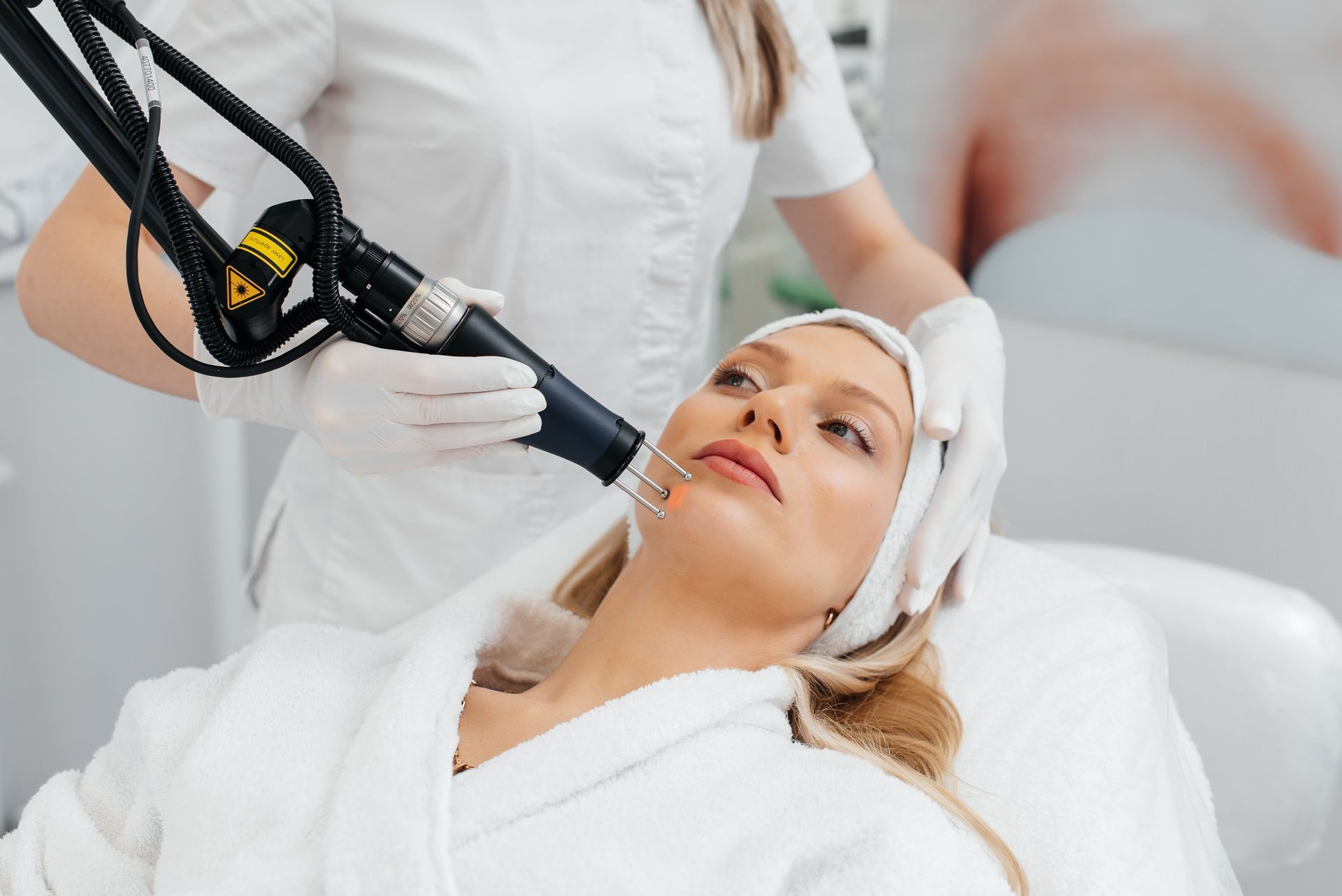
Patients at The Derm Clinic are carefully guided through this period, receiving precise instructions tailored to the specific protocol used—whether laser, chemical peel, or another evidence-based approach. Avoiding heat, strenuous exercise, and makeup for the first few days helps prevent unnecessary inflammation and pigment recurrence.
Daily Practices That Defend Your New Clarity
It’s what you do week in and week out that will decide the longevity of your results. Pigmentation can return when skin is exposed to unprotected sunlight, hormonal fluctuations, or even seemingly harmless home remedies.
→ From a professional standpoint: The most successful patients are consistent with sun defense and avoid experimenting with new products unless approved by their provider.
Some habits that support clear, even-toned skin include:
• Applying a broad-spectrum SPF 30+ every morning, rain or shine
• Wearing hats, sunglasses, and opting for shade during intense daylight hours
• Using brightening serums or moisturizers recommended by your clinician—never introducing untested ingredients without guidance
Recognizing Relapse and When to Check In
Despite best efforts, it’s possible for pigmentation to reappear or for new spots to develop over time—especially for those with a history of melasma, sun damage, or hormonal triggers. Knowing the signs of recurrence and acting early can prevent minor changes from reversing your progress.
→ A quick tip to remember: If you notice emerging patches or stubborn discoloration, reach out promptly for professional advice.
At The Derm Clinic, many clients share how regular check-ins and professional skin assessments help catch and correct small issues before they grow into larger concerns. This relationship-focused care is appreciated by patients throughout Ajax and the Durham region—where personalized, ongoing attention is the foundation for long-term skin wellness.
Frequently Asked Questions
What is the biggest mistake people make after pigmentation treatment?
The most common error is underestimating the importance of strict sun protection. Even casual walks or indirect sunlight can trigger pigment cells. At The Derm Clinic, we repeatedly see that the most durable results belong to those who make daily sun avoidance a lifelong habit.
How soon can I use my regular skincare products again?
Usually, you can resume most of your routine after about a week, but potent actives such as retinoids or exfoliating acids should only be reintroduced when your skin is fully healed. Your provider will give clear, step-by-step advice tailored to your recovery progress.
How often should I come back for follow-up?
For those prone to recurring pigmentation, periodic check-ins—every few months—allow your provider to make timely adjustments before issues escalate. This also ensures that any new technology or product recommendations are specifically suited to your changing skin.
Make Your Results Last with Thoughtful Care
The path to radiant, even skin doesn’t end the moment treatment is over. By investing in thoughtful, medical-grade maintenance and staying alert to your skin’s changing needs, you can extend those clear-skin milestones for the long term. The Derm Clinic is here to guide you every step of the way—offering expertise, clarity, and encouragement to help your results last. When you’re ready to secure your skin’s new clarity, reach out for continued support from a team devoted to your healthiest skin yet.
Share This Blog